
Buy Retatrutide in US: Cost, Safety, and Alternatives

Retatrutide is emerging as one of the most promising next-generation peptides in the fight against obesity and metabolic disorders. Developed by Eli Lilly, this triple-hormone receptor agonist targets GIP, GLP-1, and glucagon receptors simultaneously—an innovation that sets it apart from current weight loss medications like Semaglutide (Ozempic/Wegovy) and Tirzepatide (Mounjaro). Early clinical trials have shown remarkable results, with participants losing over 24% of their body weight in just 48 weeks, sparking global interest. Buy Retatrutide in US – Where to Find Research-Grade Peptides Online:

Table of Contents

Rising interest in the US market

As awareness spreads, many people are now looking for safe and reliable ways to buy Retatrutide in US—whether for research purposes or in anticipation of future medical use. With its unique mechanism of action and superior efficacy, Retatrutide is quickly becoming a sought-after compound among both researchers and individuals seeking advanced obesity treatments. In this article, we’ll explore where and how to buy Retatrutide in US, its legal status, pricing, safety considerations, and more.

What Is Retatrutide?

Retatrutide is a novel investigational peptide therapy designed to target multiple hormonal pathways involved in appetite regulation, glucose metabolism, and energy balance. It acts as a triple receptor agonist, meaning it stimulates GIP (glucose-dependent insulinotropic polypeptide), GLP-1 (glucagon-like peptide-1), and glucagon (GCG) receptors simultaneously. This unique combination allows for enhanced metabolic effects that go beyond what is seen with current GLP-1-only medications.

How Retatrutide Works

  • GIP receptor activation helps regulate insulin secretion and may improve insulin sensitivity.
  • GLP-1 receptor activation promotes satiety, slows gastric emptying, and reduces appetite.
  • Glucagon receptor activation increases energy expenditure and fat oxidation.

By combining these three mechanisms, Retatrutide addresses both sides of the weight loss equation: reducing calorie intake and increasing energy output.

How Retatrutide Differs from Semaglutide and Tirzepatide

  • Semaglutide (Ozempic/Wegovy) is a GLP-1 receptor agonist only. It works primarily by reducing appetite and improving blood sugar control.
  • Tirzepatide (Mounjaro) is a dual GIP/GLP-1 receptor agonist, offering better results than Semaglutide by targeting two metabolic pathways.
  • Retatrutide takes it a step further by adding glucagon receptor activation, which enhances fat-burning and boosts metabolic rate.

This triple-action mechanism is believed to be the reason Retatrutide has shown superior weight loss results in clinical trials.

Key Benefits of Retatrutide

  • Significant weight loss – Early trials show up to 24.2% average weight reduction over 11 months.
  • Improved glucose control – Beneficial for prediabetic and type 2 diabetic patients.
  • Potential anti-aging effects – Through enhanced mitochondrial activity and metabolic optimization.
  • Appetite regulation – Stronger satiety and reduced cravings compared to previous therapies.

As research continues, Retatrutide may become a game-changer in the fields of obesity treatment, diabetes management, and possibly longevity medicine.

Is Retatrutide Approved in the US?

FDA Approval Status (as of June 2025)
Retatrutide is not FDA-approved for any indication in the United States. It remains strictly in the investigational phase and cannot be legally prescribed or sold at retail in its current form.


Ongoing Clinical Trials & Expected Timeline

  • Phase 2 success: Trials published in New England Journal of Medicine show weight reductions up to 24.2% over 48 weeks in adults with obesity.
  • Phase 3 underway: Multiple large-scale trials—including a long-term maintenance study—are still recruiting and are expected to complete primary endpoints around April 2028.
  • Regulatory expectation: Expert analysis and company reports suggest Phase 3 topline results may be available by late 2025, with potential FDA submission in 2026. If approved, retail availability could arrive in 2027.

Summary

  • ❌ Not FDA-approved yet—must remain accessible only through clinical trials.
  • 🧪 Phase 3 results expected in 2025–2026, with possible FDA filing thereafter.
  • ⚖️ Legal to buy for research use (via trials), illegal to use medically or compound.
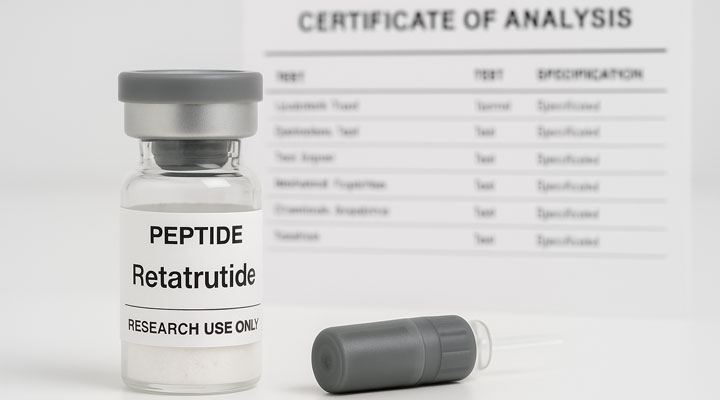
Buy Retatrutide in US Cost, Safety, and Alternatives

Where to buy Retatrutide in US

As of now, Retatrutide is not FDA-approved for medical use, which means it is not legally available by prescription through clinics or pharmacies. However, interest is growing among researchers and early adopters seeking to explore its potential. Here’s a breakdown of how to buy Retatrutide in US—with a focus on legality and safety.


🏥 Online Peptide Retailers (Research Use Only)

A number of online vendors offer research-grade Retatrutide to laboratories and institutions. These products are sold strictly for research purposes only, and not for human consumption, in accordance with US regulations. If you’re considering this route:

  • ✅ Look for third-party lab testing (COA) for purity and safety.
  • ✅ Choose US-based suppliers to avoid customs and shipping delays.
  • ❌ Avoid sellers that claim Retatrutide is ready for human use or that offer medical advice—this is a red flag.

💡 Important disclaimer: The FDA warns against using unapproved peptides outside clinical research due to potential contamination, inaccurate dosing, or adverse effects.


🧪 Compounding Pharmacies

At this time, compounding pharmacies in the US are not permitted to legally produce or dispense Retatrutide. This is due to its classification as an investigational new drug (IND), and it is not listed on the FDA’s bulk drug list for compounding under Section 503A or 503B.

If you encounter a pharmacy offering compounded Retatrutide, proceed with extreme caution—it may be operating outside of federal law and pose significant safety risks.


💊 Clinic-Based or Prescription Access (When Approved)

Once Retatrutide is officially approved by the FDA, it will likely become available through:

  • Obesity and endocrinology clinics
  • Telemedicine weight loss programs
  • Major pharmacy chains (e.g., CVS, Walgreens)

Until that time, prescription access is not legally available. You can, however, pre-register for clinical trials or follow the latest updates from Eli Lilly on the expected timeline for market release.

🏆 Top 5 Pharmacies to Buy Mounjaro in US Online

PharmacyAvailabilityPrescription RequiredStarting PriceShippingNotes
Mark Cuban Cost Plus Drugs✅ Available✅ YesFrom $300/monthUS onlyTransparent pricing, no insurance needed
GoodRx (Partner Pharmacies)✅ Varies by location✅ Yes~$900–$1,200/monthLocal pickup or mailCoupons often available
Costco Pharmacy✅ Available to members✅ Yes~$980/monthNationwide (with membership)Competitive pricing with prescription
Amazon Pharmacy✅ Available✅ YesVaries by insurance2-day deliveryFor Prime members with insurance
Ro or Hims (Telehealth)✅ Available via online consult✅ YesFrom ~$1,000/monthDiscreet deliveryIncludes doctor consultation online

💰 Research-Grade Retatrutide Pricing

🧮 Price-per-mg Breakdown

  • US-based vendors: $15–$300 per mg, depending on quality, package size, and vendor reputation.
  • International bulk suppliers: as low as $1–$7 per mg—but carries greater concerns regarding shipping, customs, purity verification, and legal/import restrictions.

⚖️ Comparison with Semaglutide & Tirzepatide

  • Semaglutide (Ozempic/Wegovy): ~$936–$1,349/month retail; compounding is $300–$500/month
  • Tirzepatide (Mounjaro/Zepbound): ~$1,000–$1,300/month retail; compounding previously half price (now restricted)

By weight, assuming a typical 8–12 mg monthly dose:

  • Retail GLP‑1 analogs: $80–$170 per mg
  • Research-grade Retatrutide: $1–$300 per mg, depending on source

🔍 Price Influencing Factors

  1. Purity & Third-Party Lab Test
    • Higher cost often means certified purity (e.g., ≥99%)
    • Vendors offering Certificates of Analysis (CoA) are preferable.
  2. Source & Location
    • US vendors have shipping advantages but higher prices.
    • Overseas suppliers are cheaper but bring customs risks and no reliable CoA.
  3. Order Size & Bulk Discounts
    • Larger quantities reduce per-mg price (bulk pricing).
    • Bulk imports may trigger import regulations or import duties.
  4. Formulation & Preparation
    • Lyophilized powders vs. crude batches vary in cost.
    • Some vendors offer reconstitution support or COA at premium pricing.

✅ Summary

  • You can expect to pay $15–$300 per mg from reliable US suppliers for research-grade Retatrutide.
  • Bulk overseas sources can drop the cost to under $5/mg, but quality and legal compliance may be uncertain.
  • Compared to established weight-loss drugs (e.g., Semaglutide/Tirzepatide at ~$80–$170/mg retail), research peptides are cost-effective per mg—but lack FDA approval and should be used with caution.
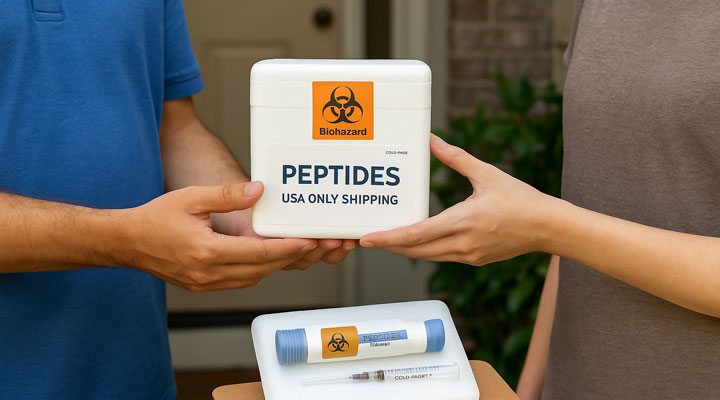
Where to buy Retatrutide in US

What to Look for in a Reliable Supplier

If you’re exploring options to buy Retatrutide in US for research purposes, it’s essential to choose a trustworthy supplier. The quality and legitimacy of the product you receive can vary widely—so evaluating a supplier based on a few key criteria is critical for safety, compliance, and research integrity.


✅ 1. Purity and 3rd-Party Lab Testing (COA)

The most important factor when purchasing any research peptide—including Retatrutide—is purity. Look for:

  • Purity of ≥98%, ideally confirmed by HPLC (High-Performance Liquid Chromatography) or mass spectrometry.
  • A Certificate of Analysis (COA) from an independent, third-party lab.
  • Batch-specific testing that matches the vial you receive.

⚠️ Warning: Suppliers that don’t offer transparency about testing or avoid sharing COAs should be avoided, as the product may be mislabeled or contaminated.


⭐ 2. Customer Reviews and US-Based Shipping

While scientific quality matters most, user experience is also a strong indicator of reliability.

  • Check verified customer reviews on third-party platforms or Reddit discussions.
  • Prioritize suppliers with US-based warehouses, which ensure:
    • Faster shipping times (1–4 days).
    • Lower risk of customs delays or confiscation.
    • Better customer support and return policies.

Pro tip: Look for suppliers with clear contact information, refund/return policies, and visible trust signals (like secure checkout and updated terms of service).


🧾 3. Transparency and Regulatory Compliance

Even though Retatrutide is not FDA-approved, legitimate peptide vendors still maintain high ethical standards and comply with research-use regulations:

  • The website clearly states: “For Research Use Only – Not for Human Consumption”.
  • The company does not promote off-label medical use or dosage instructions for humans.
  • Product pages include proper disclaimers and scientific references where relevant.
  • Regulatory information (e.g., GMP standards, shipping restrictions) is provided.

🚫 Avoid any vendor that markets Retatrutide as a weight-loss drug, injectable product, or personal-use medicine—this violates federal regulations and is a red flag.

Risks and Precautions

While Retatrutide shows exceptional promise in clinical trials, it’s important to understand that this peptide is still an investigational compound. Whether you’re a researcher or simply exploring potential future options, knowing the risks and safety guidelines is essential.


⚠️ Research-Use Disclaimer

Retatrutide is currently not FDA-approved for human use outside of clinical trials. Any product sold online is intended strictly for research purposes and typically labeled with:

“For laboratory research use only. Not for human or veterinary use.”

Using research-grade Retatrutide on yourself or others is illegal and potentially dangerous, as it may:

  • Lack proper sterility.
  • Be inaccurately dosed.
  • Contain unknown contaminants.

⚠️ Never use peptides sold for research without physician supervision and FDA approval.


🔬 Potential Side Effects from Clinical Studies

In controlled clinical trials, Retatrutide has shown a side effect profile similar to other GLP-1-based drugs, with a few unique features:

Common Side Effects:

  • Nausea
  • Vomiting
  • Diarrhea
  • Constipation
  • Decreased appetite
  • Injection site reactions

Less Common but Monitored Effects:

  • Elevated heart rate
  • Gallbladder-related issues (e.g., gallstones)
  • Increased pancreatic enzymes
  • Possible thyroid C-cell hyperplasia (in rodents)

Most gastrointestinal symptoms were dose-dependent and occurred during the first few weeks of treatment. In many cases, they resolved over time or with slower titration.


📏 Importance of Dosage Accuracy and Storage

If you’re handling Retatrutide for research, proper measurement and storage are critical to maintain stability and avoid degradation.

  • Reconstitution: Typically mixed with bacteriostatic water under sterile conditions.
  • Storage: Store lyophilized (dry) vials at -20°C and reconstituted solution at 2–8°C (refrigerated). Avoid repeated freeze-thaw cycles.
  • Dosage measurement: Use calibrated syringes or pipettes to ensure exact dosing. Small volume errors can significantly impact results due to the peptide’s high potency.

⚠️ Mishandling or misdosing peptides may result in unreliable research results or introduce unexpected risks.


Final Reminder

Whether you’re handling Retatrutide in a lab setting or simply exploring its potential, safety and legality should come first. Until it’s FDA-approved and medically prescribed, this compound should never be used in humans outside a clinical trial. Always follow best practices for research handling, and monitor official sources for updates on approval status and medical guidelines.

Alternatives to buy Retatrutide in US

While Retatrutide is not yet FDA-approved, several powerful alternatives are already available in the US, offering effective weight loss and metabolic benefits. These options differ in their mechanisms, accessibility, and clinical outcomes—but they share a common goal: addressing obesity and improving metabolic health. Here are the top alternatives to Retatrutide currently on the market or in advanced development.


✅ 1. Semaglutide (Ozempic/Wegovy)

  • Mechanism: GLP-1 receptor agonist
  • FDA-approved for:
    • Ozempic: Type 2 diabetes
    • Wegovy: Chronic weight management
  • Typical weight loss: ~15% body weight over 68 weeks
  • Dosing: Weekly injections (0.25 mg to 2.4 mg)

Pros:

  • Widely available in pharmacies across the US
  • Backed by long-term safety data
  • Improves blood sugar, reduces appetite, supports heart health

Cons:

  • Common side effects include nausea, GI discomfort
  • Shortages have occurred due to high demand
  • Slower weight loss than Tirzepatide or Retatrutide in some cases

✅ 2. Tirzepatide (Mounjaro/Zepbound)

  • Mechanism: Dual GIP and GLP-1 receptor agonist
  • FDA-approved for:
    • Mounjaro: Type 2 diabetes
    • Zepbound: Chronic weight management
  • Typical weight loss: Up to ~21% body weight in trials

Pros:

  • Superior weight loss compared to Semaglutide in head-to-head trials
  • Also improves insulin sensitivity and glycemic control
  • Weekly dosing

Cons:

  • Mild-to-moderate GI side effects common
  • More expensive than Semaglutide
  • Recent regulatory limitations on compounding may affect access

🚀 3. Cagrisema or Cagrilintide (Emerging Options)

  • Cagrisema: Combination of Cagrilintide (amylin analogue) + Semaglutide
  • Cagrilintide: Works via amylin receptor to regulate satiety and gastric emptying
  • Status: Currently in clinical trials, not yet FDA-approved

Early Results:

  • Up to 17–20% weight loss observed in mid-stage trials
  • Designed to be used in combination with GLP-1 analogs for synergistic effect

Pros:

  • Targets satiety through a different hormonal pathway (amylin)
  • May be suitable for patients who do not respond well to GLP-1 therapy alone

Cons:

  • Not commercially available yet
  • Limited access outside clinical research settings’

Summary Comparison Table

MedicationMechanismApprovalAverage Weight LossDosingAvailable Now?
Semaglutide (Ozempic/Wegovy)GLP-1 agonist✅ FDA approved~15%Weekly✅ Yes
Tirzepatide (Mounjaro/Zepbound)GIP + GLP-1 agonist✅ FDA approved~21%Weekly✅ Yes
CagrisemaAmylin + GLP-1 combo❌ In trials~17–20%Weekly❌ Not yet
CagrilintideAmylin analogue❌ In trials~10–12% (solo)Weekly❌ Not yet
RetatrutideGIP + GLP-1 + Glucagon❌ In trials~24%Weekly❌ Not yet

If you’re seeking a weight loss solution in the US right now, Semaglutide and Tirzepatide remain the most effective and accessible options. While Retatrutide and Cagrisema may outperform these in the future, their current use is limited to clinical trials. Always consult with a licensed healthcare provider to determine the safest and most effective choice for your individual needs.

Conclusion

Retatrutide is one of the most exciting developments in weight loss and metabolic research, showing exceptional results in clinical trials. However, it’s important to remember that as of 2025, Retatrutide is not FDA-approved and is legally available only for research purposes in the US. While it is possible to buy Retatrutide in US from select online peptide retailers, these products must not be used for personal treatment unless prescribed in the future.

Recommendation to consult with healthcare professionals before use

Anyone considering Retatrutide—whether for research or future therapeutic use—should proceed with caution. Always:

  • Verify the purity and testing of the product (look for a third-party Certificate of Analysis).
  • Ensure the supplier is transparent and compliant with US regulations.
  • Understand that self-use of research peptides is illegal and potentially dangerous.

🔎 If you’re interested in exploring this compound further, consider participating in a clinical trial or consulting with a qualified healthcare provider to discuss approved alternatives like Semaglutide or Tirzepatide.

👉 Explore verified sources and stay informed about upcoming approvals to safely buy Retatrutide in US when it becomes legally available.

Frequently Asked Questions (FAQ) for article Buy Retatrutide in US

  1. Is Retatrutide approved for use in the US?

    No, as of 2025, Retatrutide is not FDA-approved for medical use. It is still in the clinical trial phase and currently only available for research purposes or through participation in clinical studies.

  2. Can I legally buy Retatrutide in US?

    Yes, you can legally buy Retatrutide in US for research purposes only. It is not approved for personal or clinical use. Any use outside a clinical trial is considered off-label and may be legally and medically risky.

  3. Where can I buy research-grade Retatrutide?

    Research-grade Retatrutide is available from online peptide suppliers that cater to labs and research institutions. Always verify that the supplier provides third-party lab results (COA) and clearly states the product is not for human consumption.

  4. How much does Retatrutide cost in the US?

    The price varies significantly by supplier and purity level. Expect to pay between $15 to $300 per mg from reputable US sources. Bulk orders or international suppliers may offer lower prices, but often at the cost of purity or legal compliance.

  5. What are the side effects of Retatrutide?

    Clinical trials have reported side effects similar to other GLP-1 receptor agonists, such as nausea, vomiting, diarrhea, constipation, and reduced appetite. More serious but less common effects may include gallbladder issues and elevated heart rate.

  6. Is Retatrutide better than Semaglutide or Tirzepatide?

    Early data suggests Retatrutide may lead to greater weight loss, with reductions up to 24% of body weight. However, Semaglutide (Ozempic/Wegovy) and Tirzepatide (Mounjaro/Zepbound) are already FDA-approved and widely used, making them more accessible and better understood at this time.

  7. When will Retatrutide be available by prescription?

    If Phase 3 trials are successful, Retatrutide may be submitted for FDA approval in 2026, with potential availability in late 2026 or early 2027. For now, prescription access is not available.

  8. Can I get Retatrutide from a compounding pharmacy?

    No. Compounding pharmacies are not legally allowed to produce or dispense Retatrutide, as it is not approved for use and is not on the FDA’s bulk drug list.

  9. How do I store Retatrutide properly?

    If purchased for research use, Retatrutide should be stored lyophilized at -20°C and reconstituted solution refrigerated at 2–8°C. Avoid repeated freeze-thaw cycles to maintain peptide stability.
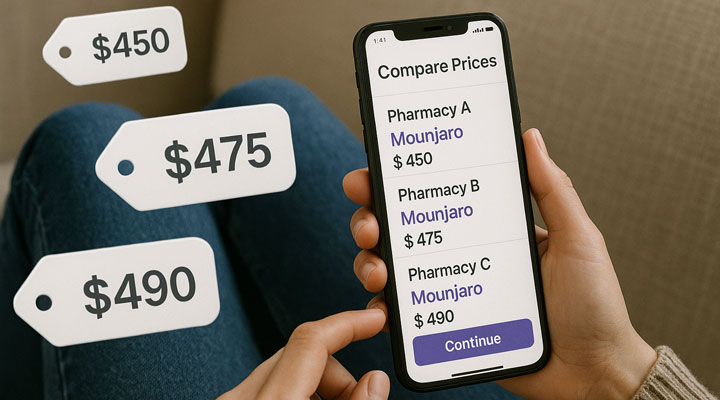

Buy Mounjaro in the US for Weight Loss

If you’re exploring advanced treatments for managing type 2 diabetes or seeking a powerful solution for weight loss, you may be wondering how to buy Mounjaro in the US. Mounjaro, the brand name for tirzepatide, is a revolutionary medication developed by Eli Lilly. It has gained widespread attention for its unique ability to target two hormone receptors—GIP and GLP-1—resulting in impressive outcomes for both blood sugar control and body weight reduction.

Table of Contents

Growing popularity and demand in the US

Initially approved by the U.S. Food and Drug Administration (FDA) in 2022 for the treatment of type 2 diabetes, Mounjaro has quickly become one of the most talked-about therapies in the metabolic health space. Its dual action mechanism sets it apart from older GLP-1 agonists like Ozempic, making it an attractive option not only for people with diabetes but also for those struggling with obesity.

Mention of FDA approval and its significance

As demand grows rapidly across the United States, many patients are eager to understand how and where they can access this medication. In this article, we’ll guide you through everything you need to know to buy Mounjaro in the US, including where it’s available, prescription requirements, pricing, and safe online options.

What Is Mounjaro and How Does It Work?

Mounjaro (tirzepatide) is a groundbreaking injectable medication developed by Eli Lilly, designed to treat type 2 diabetes and, increasingly, used off-label for weight management. What sets Mounjaro apart from other diabetes or weight loss drugs is its dual-action mechanism—it activates both GIP (glucose-dependent insulinotropic polypeptide) and GLP-1 (glucagon-like peptide-1) receptors. This dual receptor agonism is unique to tirzepatide and results in stronger effects on glucose control and appetite regulation than single-receptor medications.

Benefits for Type 2 Diabetes and Obesity

For individuals with type 2 diabetes, Mounjaro helps lower blood glucose levels by:

  • Enhancing insulin secretion when blood sugar is high
  • Reducing the release of glucagon (a hormone that raises blood sugar)
  • Slowing gastric emptying, which helps regulate the rate of glucose absorption

Beyond diabetes, Mounjaro has shown significant promise as a weight loss aid, even in people without diabetes. Clinical trials have demonstrated average weight reductions of up to 20% of body weight, leading to a surge in off-label prescribing for obesity.

Mounjaro vs. Ozempic and Wegovy

While Ozempic (semaglutide) and Wegovy (a higher dose of semaglutide for weight loss) are also GLP-1 receptor agonists, they activate only one receptor. Mounjaro’s additional activation of the GIP receptor appears to enhance appetite suppression and fat metabolism, giving it a notable edge in clinical outcomes.

In head-to-head trials, tirzepatide outperformed semaglutide in both glucose control and weight loss—making Mounjaro a preferred option for many patients and physicians seeking comprehensive metabolic improvements.

Is Mounjaro Available in the US?

FDA Approval & Timeline 🩺

  • Initial Approval: The FDA first approved Mounjaro (tirzepatide) on May 13, 2022, for adults with type 2 diabetes.
  • Weight Management: The active ingredient in Mounjaro received FDA approval for chronic weight management under the brand name Zepbound in November 2023.
  • Shortage Resolution: After significant demand fueled a national shortage starting December 2022, the FDA declared the tirzepatide shortage resolved by December 2024, confirming adequate supply.

Availability in US Pharmacies

  • Wide Distribution: Mounjaro is widely stocked across retail and chain pharmacies (e.g., CVS, Walgreens, Walmart).
  • Pen Formats: Available in multiple prefilled pen strengths—from 2.5 mg to 15 mg.
  • Ongoing Stock Checks: Local availability can vary; the FDA now advises patients to check stock levels with their preferred pharmacy before refilling.
  • Demand Surge: Its popularity surged due to both diabetes treatment and off-label weight loss prescriptions, driving shortages until late 2024.
  • Compounded Versions: During shortages, compounding pharmacies filled gaps, though these were permitted only under shortage exceptions until that relief was rescinded in early 2025.
  • Regulatory Shift: In March 2025, FDA enforcement action ended the allowance for compounded tirzepatide, reducing cheaper alternatives.
  • Affordability Pressure: Patients reliant on compounded versions are now facing significantly higher costs—branded Mounjaro can run around $1,000 per month.

Prescription & Insurance Requirements

CategoryDetails
Rx RequirementMounjaro is Rx-only in the U.S.; no over-the-counter options exist.
Insurance CoverageCoverage varies widely:
– Most insurers cover it for type 2 diabetes, with copays often between $10–$50/month for commercially insured or Medicare Part D patients .<br>- Coverage for weight loss (off‑label) is rare; Zepbound may be covered in obesity cases.
Saving ProgramsEli Lilly’s Mounjaro Savings Card enables eligible commercially insured patients to pay as little as $25/month, with additional savings and assistance .
Out-of-Pocket CostWithout insurance, expect monthly retail costs of $1,000–$1,200 (four pens) .

Where to Buy Mounjaro in the US

A. In‑Store Pharmacies 🏥

  • Major Chains – You can buy Mounjaro in the US at national retailers like CVS, Walgreens, Walmart, Costco, and Kroger. Prices for a four‑pen (monthly) supply typically range from $1,000 to $1,300 out-of-pocket without discounts. For example, CVS lists prices near $1,274, Walgreens around $1,297, and Walmart approximately $1,296 before savings .
  • Prescription Requirements – A valid prescription from a qualified healthcare provider is mandatory. CVS and Walgreens require a documented diagnosis of type 2 diabetes before dispensing; off-label weight-loss prescriptions may be more difficult.
  • Savings & Coupons – Manufacturer savings programs (like the Mounjaro Savings Card) can reduce the cost for commercially insured patients to as low as $25/month. Discount platforms like GoodRx or SingleCare also bring pre-insurance prices down to roughly $1,000–1,050.

B. Online Pharmacies 💻

  • Telehealth-Compatible Mail‑Order – After a telehealth consultation, reputable U.S.-licensed pharmacies (e.g., through platforms like QuickMD, CallOnDoc, or mail-order via your telehealth provider) can ship Mounjaro directly to your door.
  • Verification Best Practices – Always ensure the online pharmacy is licensed in your state, requires a prescription, lists a physical address and phone number, and employs licensed pharmacists.
  • Risks of Black Market Sites – Unlicensed and overseas pharmacies may sell counterfeit or unsafe versions of tirzepatide. Never purchase without a prescription from a reputable source.

C. Telemedicine Clinics 🌐

  • How It Works – Registered telemedicine platforms such as PlushCare, Sesame Care, Calibrate, LifeMD, and WeightWatchers can connect you with an online provider who assesses eligibility via telehealth and, if approved, writes an electronic prescription.
  • Convenience & Access – Benefits include same-day appointments, insurance coordination, follow-up support, and mail-order pharmacy fulfillment.
  • Safety and Licensing – Legitimate telehealth providers are HIPAA-compliant, employ licensed professionals, and coordinate with state-licensed pharmacies .

✅ Final Takeaways

  • You can buy Mounjaro in the US via major pharmacies, verified online pharmacies, or through telemedicine services.
  • In-store options offer immediate access, but require validated prescriptions and may need proof of diabetes.
  • Online pharmacies provide convenient home delivery—just confirm licensure and prescription handling.
  • Telemedicine clinics are increasingly popular for prescriptions, follow-up care, and insurance support; typical cost with coverage is $25/month plus a modest platform fee.
Where to Buy Mounjaro in the US

Can You Buy Mounjaro Without a Prescription in the US?

If you’re trying to buy Mounjaro in the US without a prescription, it’s important to understand the legal and medical implications. While the rise of telemedicine and online suppliers has made access more convenient, Mounjaro remains a prescription-only medication under U.S. law—and for good reason.


Mounjaro (tirzepatide) is classified by the FDA as a prescription-only drug. This means it is illegal to purchase or possess it in the U.S. without a valid prescription from a licensed healthcare provider. U.S. pharmacies—whether brick-and-mortar or online—are required by law to verify prescriptions before dispensing the medication.

Buying tirzepatide from unverified websites or foreign sources may not only violate federal regulations but could also result in your package being seized by customs or you facing legal consequences depending on the circumstances.


Why a Prescription Is Required

Tirzepatide is a potent medication that influences hormonal pathways related to insulin secretion, appetite, and metabolism. A prescription is required to:

  • Ensure safe and appropriate dosing
  • Screen for contraindications (e.g., history of pancreatitis, thyroid cancer risk)
  • Monitor for adverse effects, such as nausea, gastrointestinal upset, or hypoglycemia
  • Evaluate drug interactions with existing medications
  • Establish whether it is being prescribed for FDA-approved use (type 2 diabetes) or off-label (obesity)

A licensed provider can also help determine whether Mounjaro is the best fit—or if an alternative like Ozempic, Wegovy, or Zepbound may be more appropriate.


Dangers of Buying Without Medical Supervision

Attempting to buy Mounjaro from unregulated sources poses serious risks:

  • Counterfeit or contaminated products, which may not contain the correct dose or may include harmful ingredients
  • Incorrect dosing, leading to side effects such as extreme nausea, dehydration, or dangerously low blood sugar
  • Lack of monitoring, which increases the risk of complications without timely medical guidance
  • Wasted money, as illegitimate sellers often charge high prices for ineffective or fake products

Remember: medications that alter metabolic function should never be taken casually or without oversight.

💸 How Much Does Mounjaro Cost in the US?

Understanding the costs of Mounjaro in the U.S. is crucial when planning your treatment. Here’s a breakdown of pricing based on dosage, pharmacy chain, and available savings options:


🧪 Price per Monthly Supply by Strength

  • List price (all strengths): ~$1,079.77 per month (4 pens)
  • Strength-based pricing (via LillyDirect vials):
    • 2.5 mg – $349
    • 5 mg – $499
    • 7.5 mg – $499 (vs. $599)
    • 10 mg – $499 (vs. $699)

⭐ Top 5 Places to Buy Mounjaro in the US

ProviderTypePrescription SupportEstimated Monthly CostDeliveryHighlights
CVS PharmacyIn-store pharmacyNo (Rx required in hand)$1,200–$1,300❌ Pickup onlyWidely available, accepts most insurance plans
WalgreensIn-store pharmacyNo (Rx required in hand)$1,250–$1,300❌ Pickup onlyConvenient for in-person fills, may offer reward programs
LillyDirectOnline pharmacyNo (requires existing Rx)$349–$499 (vials)✅ YesOfficial manufacturer service, lower prices for some doses
PlushCareTelemedicine + Rx✅ Yes$25–$499 (with insurance)✅ YesFull-service: consult + Rx + pharmacy coordination
Cagri ClinicTelehealth program✅ YesFrom $128/month (packages)✅ YesPeptide-based weight loss with expert medical supervision

🪪 Savings Cards & Assistance Programs

  • Mounjaro Savings Card (eligibility: commercially insured)
    • Pay $25/month on 1- or 3-month supplies
    • Up to $150 off per fill, $450 for 3 months
    • Max savings per year: $1,950; valid through Dec 31, 2025
  • Without insurance coverage
    • Savings card gives up to $463 off/month (max $6,019/year)
  • Optum Perks / GoodRx coupons
    • Can drop price as low as $995 per 4-pen fill
  • Patient assistance programs
    • Limited availability; Lilly offers no formal PAP, but discount services (e.g., NowPatient) may help uninsured patients reduce costs

🧾 Real-World Examples

  • No insurance: Typically $1,000–$1,200+ per month
  • Commercial insurance + savings card: As little as $25/month
  • Self-pay vials via LillyDirect: 2.5 mg for $349 or 5 mg for $499—significantly lower than pen formats

✅ Key Takeaways

  1. List price is about $1,080/month (4 pens).
  2. Strength-based self-pay vials provide cheaper alternatives for some doses.
  3. Savings cards and coupons can reduce monthly costs to as low as $25–$463, depending on insurance coverage.
  4. Price varies by pharmacy—GoodRx and Optum Perks often offer the best deals at ~$995 for pen formats.

Mounjaro for Weight Loss: Off-Label Use

Although Mounjaro (tirzepatide) was originally approved by the FDA for managing type 2 diabetes, it has rapidly gained attention in the medical community for its off-label use in treating obesity. Patients and healthcare providers alike are drawn to its powerful weight-reduction potential—even among individuals without diabetes.


🧪 Clinical Trial Insights on Weight Loss

Numerous clinical trials, including the SURMOUNT-1 study, have shown remarkable weight loss outcomes with tirzepatide:

  • Participants lost 15% to over 20% of their body weight depending on the dosage used (5 mg to 15 mg).
  • Those taking the highest dose (15 mg weekly) lost an average of 52 pounds over 72 weeks.
  • These results are significantly more effective than outcomes seen with earlier GLP-1 drugs like semaglutide (Ozempic/Wegovy), especially for individuals classified as obese but not diabetic.

This data paved the way for FDA approval of Zepbound—a weight loss–specific version of tirzepatide—in November 2023. However, many patients still obtain Mounjaro for weight loss through off-label prescriptions due to familiarity or insurance preferences.


📈 Growing Trend in Obesity Treatment

The U.S. faces a growing obesity epidemic, and traditional interventions like diet and exercise often fall short for those with severe or treatment-resistant weight issues. As a result:

  • Off-label prescribing of Mounjaro by endocrinologists and obesity specialists has surged.
  • Telemedicine clinics and weight loss programs increasingly offer Mounjaro-based treatment plans for qualified patients without diabetes.
  • Patients report not only significant weight reduction, but also improvements in blood pressure, cholesterol, insulin sensitivity, and inflammation markers.

The appeal lies in both effectiveness and the once-weekly injection format, which makes it easier to comply with than daily treatments like Saxenda.


⚠️ What Doctors and Patients Should Know

While off-label use of FDA-approved medications is legal and common, there are important considerations:

  • Medical supervision is essential. Tirzepatide affects blood sugar, appetite, digestion, and hormonal balance. Self-medicating or using the drug without proper screening can lead to serious health risks.
  • Side effects may include nausea, vomiting, fatigue, and digestive issues—especially in the early weeks of treatment.
  • Dosing must be carefully titrated to reduce side effects and improve tolerance.
  • Some insurers may not cover Mounjaro when prescribed off-label for weight loss, requiring out-of-pocket payment or the use of alternatives like Zepbound.

How to Get a Prescription for Mounjaro in the US

If you’re interested in starting tirzepatide treatment, the first step is obtaining a valid prescription. Whether your goal is to manage type 2 diabetes or pursue medically supervised weight loss, getting a prescription for Mounjaro in the US requires a healthcare provider’s evaluation. Fortunately, patients now have more flexible options than ever before—both in person and online.


🩺 1. Consulting a Primary Care Provider or Endocrinologist

Your primary care physician (PCP) or an endocrinologist can prescribe Mounjaro if they determine it’s appropriate based on your:

  • Diagnosis of type 2 diabetes (for on-label use)
  • Weight and metabolic health profile (for off-label use)
  • Previous history with GLP-1 medications
  • Existing medications and medical conditions

During your visit, your provider may:

  • Order lab tests (e.g., HbA1c, lipid panel, fasting glucose)
  • Review your BMI and weight history
  • Discuss your goals, lifestyle, and possible alternatives

Many doctors are increasingly open to prescribing Mounjaro off-label for obesity, especially when supported by clinical evidence or previous treatment failures.


💻 2. Online Prescription Platforms and Telehealth

If visiting a clinic is difficult, you can get a Mounjaro prescription online through licensed telehealth platforms. Some of the most reputable include:

  • PlushCare
  • Sesame Care
  • LifeMD
  • CallOnDoc
  • Cagri Clinic (for medically supervised peptide weight loss programs)

These services typically involve:

  • A health questionnaire or intake form
  • A virtual consultation with a licensed provider
  • Prescription review and approval within 24–48 hours
  • Integration with pharmacy partners for home delivery

Telehealth providers may offer subscription-based support, including coaching, lab tracking, and dose adjustments, especially for weight loss programs.


🗣️ 3. Tips for Discussing Weight Loss Goals with Your Doctor

If you’re seeking Mounjaro specifically for weight loss, here’s how to approach the conversation:

  • Be honest and direct about your goals and struggles with weight.
  • Highlight past efforts (diet, exercise, medications) and why they haven’t worked long-term.
  • Bring research: Mention clinical trials like SURMOUNT and explain that Mounjaro is now FDA-approved under the brand Zepbound for weight loss.
  • Ask about risks and monitoring to show that you are informed and committed to safe use.

Alternatives to Mounjaro in the US

While Mounjaro (tirzepatide) is currently one of the most powerful options for weight loss and type 2 diabetes management, it’s not the only one. Several FDA-approved medications are available in the same therapeutic class—primarily GLP-1 receptor agonists—and may be prescribed based on patient needs, insurance coverage, or medication tolerance.

Here are the most common alternatives to Mounjaro in the US, along with a comparison of their cost, effectiveness, and availability.


🩺 1. Ozempic (semaglutide)

  • Use: Type 2 diabetes (on-label), weight loss (off-label)
  • Effectiveness: Average weight loss of 10–15% at higher doses
  • Dosage: Weekly injection (0.25–2.0 mg)
  • Cost: ~$900–1,200/month without insurance
  • Insurance: Commonly covered for diabetes; less often for weight loss
  • Pros: Widely available, strong clinical backing, often covered by insurance
  • Cons: Slower weight loss results compared to Mounjaro

🩺 2. Wegovy (high-dose semaglutide)

  • Use: FDA-approved for chronic weight management
  • Effectiveness: Average weight loss ~15% over 68 weeks
  • Dosage: Weekly injection (2.4 mg)
  • Cost: ~$1,300–1,500/month retail
  • Insurance: Coverage varies; better odds with obesity diagnosis
  • Pros: Specifically approved for weight loss, supported by large clinical trials
  • Cons: Often out of stock, insurance denials still common, high cost

🩺 3. Saxenda (liraglutide)

  • Use: Weight management (FDA-approved), Type 2 diabetes (under Victoza brand)
  • Effectiveness: Average weight loss of ~5–8%
  • Dosage: Daily injection (up to 3.0 mg)
  • Cost: ~$1,300/month without insurance
  • Insurance: Less commonly covered, but some policies may allow
  • Pros: Good option for patients preferring daily injections or unable to tolerate newer drugs
  • Cons: Lower efficacy, higher injection frequency, potential GI side effects

📊 Comparison Table: Mounjaro vs. Alternatives

MedicationFDA ApprovalUseWeight Loss %FrequencyAvg. Cost (Retail)Insurance Coverage
MounjaroYes (T2D)Diabetes, Off-label Weight LossUp to 20%Weekly~$1,100/monthYes (diabetes); limited for weight
WegovyYes (Obesity)Weight Loss~15%Weekly~$1,300–1,500/monthSome plans cover
OzempicYes (T2D)Diabetes, Off-label Weight Loss10–15%Weekly~$1,200/monthYes (diabetes); limited for weight
SaxendaYes (Obesity)Weight Loss~5–8%Daily~$1,300/monthLess common

Conclusion

Mounjaro (tirzepatide) has emerged as a game-changing medication for both type 2 diabetes management and significant weight loss, thanks to its unique dual-action mechanism. With FDA approval and clinical data backing its effectiveness, it’s no surprise that more Americans are eager to explore how to buy Mounjaro in the US—whether for its approved purpose or off-label use in obesity treatment.

Encourage readers to consult healthcare providers

To access Mounjaro safely and legally:

  • You’ll need a valid prescription, which you can obtain through a primary care provider, an endocrinologist, or a licensed telemedicine platform.
  • Mounjaro is available at major U.S. pharmacy chains (CVS, Walgreens, Walmart) and through verified online pharmacies.
  • Savings cards and patient assistance programs can help significantly reduce the out-of-pocket cost—sometimes to as low as $25/month.

Reiterate safe ways to buy Mounjaro in the US

If you’re considering Mounjaro for the first time, always consult a qualified healthcare provider. They can help determine whether it’s right for your health profile, assist with dosage planning, and monitor your progress for optimal results.

Choosing a safe, regulated, and medically supervised path is the best way to benefit from this groundbreaking treatment—without unnecessary risks.

Frequently Asked Questions (FAQ) – Buy Mounjaro in the US

  1. Can I buy Mounjaro in the US without a prescription?

    No. Mounjaro (tirzepatide) is a prescription-only medication in the US. You must obtain a valid prescription from a licensed healthcare provider before purchasing it from a pharmacy or online.

  2. How much does Mounjaro cost in the US?

    Without insurance, Mounjaro typically costs around $1,000 to $1,300 per month. However, with insurance or savings programs like the Mounjaro Savings Card, eligible patients may pay as little as $25 per month.

  3. Where can I buy Mounjaro in the US?

    You can purchase Mounjaro at major pharmacy chains such as CVS, Walgreens, Walmart, and through verified online pharmacies or telemedicine platforms that offer prescription and delivery services.

  4. Is Mounjaro FDA-approved for weight loss?

    Mounjaro is FDA-approved for type 2 diabetes, but its active ingredient (tirzepatide) is also approved under the brand name Zepbound for weight loss. Many doctors prescribe Mounjaro off-label for obesity based on clinical evidence.

  5. What are the best alternatives to Mounjaro for weight loss?

    Alternatives include Wegovy, Ozempic, and Saxenda. Wegovy is approved for weight loss and offers similar results, while Ozempic is often used off-label. Saxenda is a daily injectable with more modest results.

  6. How can I get a prescription for Mounjaro online?

    You can use telemedicine services like PlushCare, LifeMD, or Cagri Clinic. These platforms offer virtual consultations with licensed providers who can prescribe Mounjaro if you meet medical eligibility criteria.

  7. What’s the difference between Mounjaro and Zepbound?

    Both medications contain tirzepatide, but Mounjaro is approved for diabetes, while Zepbound is approved for chronic weight management. Dosages and insurance coverage may differ based on your condition.

  8. Is Mounjaro covered by insurance?

    Mounjaro is often covered by insurance for diabetes treatment. For off-label weight loss use, coverage is less common, but some plans may approve alternatives like Zepbound.

Buy Ozempic in the US: Pricing, Prescription Info, and More

Ozempic, a brand name for the medication semaglutide, has gained significant attention in the United States in recent years due to its effectiveness in managing Type 2 diabetes and its increasingly popular off-label use for weight loss. Originally developed for diabetes treatment, Ozempic helps regulate blood sugar levels and supports weight management by mimicking the actions of a natural hormone in the body that affects insulin production and appetite. Its unique benefits have made it a sought-after solution for individuals struggling with both diabetes and obesity.

In the US, Ozempic has become particularly popular among those seeking assistance with weight loss. The medication works by slowing gastric emptying and promoting a feeling of fullness, which can lead to reduced calorie intake and, in turn, weight loss. Many people have turned to Ozempic as a part of their weight loss journey, even though it is not officially approved for weight loss in all cases. This growing interest has led to increased demand for Ozempic, resulting in a variety of purchasing options.

Importance of buying Ozempic safely and legally

However, with this surge in popularity, it is essential to emphasize the importance of buying Ozempic safely and legally. While it is widely available through pharmacies in the US, the growing demand has also led to a rise in the number of unlicensed online sellers. Buy Ozempic in the US from unauthorized sources can pose significant risks, including receiving counterfeit products or medications that are unsafe for use. In this article, we will guide you through the proper and safe ways to Buy Ozempic in the US, ensuring that you can access this medication legally and with peace of mind.

What is Ozempic?

Ozempic is a prescription medication used primarily for the treatment of Type 2 diabetes. It contains the active ingredient semaglutide, a synthetic version of a naturally occurring hormone called GLP-1 (glucagon-like peptide-1). This hormone plays a crucial role in regulating blood sugar levels, insulin production, and appetite. Ozempic is an injectable medication that is typically administered once a week, making it a convenient treatment option for those managing chronic conditions.

Active Ingredient: Semaglutide

Semaglutide, the active ingredient in Ozempic, belongs to a class of medications called GLP-1 receptor agonists. GLP-1 is a hormone naturally produced in the intestines that helps regulate several aspects of metabolism, particularly insulin and glucose levels. Semaglutide mimics the effects of GLP-1 by binding to GLP-1 receptors in the body, helping to improve blood sugar control.

Unlike other diabetic medications, semaglutide does not only focus on lowering blood sugar; it also offers additional benefits, such as weight loss, which has made it particularly popular among individuals with Type 2 diabetes who also struggle with obesity or excess weight.

Approved Uses

Ozempic is FDA-approved for the following uses:

  1. Type 2 Diabetes Management:
    Ozempic is primarily prescribed for people with Type 2 diabetes to help control blood sugar levels. By improving insulin secretion, reducing the liver’s glucose production, and slowing gastric emptying, it helps maintain blood glucose levels within a healthy range. This can significantly reduce the risk of diabetes-related complications, such as heart disease, kidney damage, and nerve issues.
  2. Weight Loss (Off-Label Use):
    In addition to its diabetes management benefits, Ozempic has shown to support weight loss. Although it is not officially approved as a weight-loss medication, many doctors prescribe it for individuals who are overweight or obese, particularly those with Type 2 diabetes. Research has shown that patients using Ozempic experienced significant weight loss, making it a valuable option for those struggling with weight management.

Mechanism of Action and Benefits

Ozempic works through several key mechanisms that contribute to both blood sugar control and weight loss:

  • Improved Insulin Secretion: Ozempic stimulates insulin release when blood glucose levels are high, helping to lower blood sugar levels after meals. This is particularly beneficial for individuals with Type 2 diabetes, whose bodies do not produce enough insulin or cannot use it effectively.
  • Reduced Glucagon Secretion: Glucagon is a hormone that raises blood sugar levels. By inhibiting glucagon production, Ozempic helps prevent the liver from releasing too much glucose into the bloodstream, which further contributes to blood sugar control.
  • Slower Gastric Emptying: Ozempic slows the rate at which food moves through the stomach. This delay in gastric emptying promotes satiety (feeling full) for a longer period, reducing appetite and leading to lower overall calorie intake. This mechanism is especially beneficial for those seeking to lose weight.
  • Weight Loss: Many users of Ozempic report significant weight loss, especially when combined with a healthy diet and exercise. Clinical studies have shown that individuals using Ozempic lose more weight than those using traditional diabetes medications.

The combination of better blood sugar control and weight loss makes Ozempic a dual-purpose medication, making it especially valuable for individuals with Type 2 diabetes who also struggle with weight issues. Additionally, its once-weekly injection schedule provides convenience and ease of use for patients.

Where Can You Buy Ozempic in the US

Where Can You Buy Ozempic in the US?

Ozempic is a widely prescribed medication, and there are several options for purchasing it in the US. These options include local pharmacies, trusted online pharmacies, and doctor’s offices or clinics. Below is a breakdown of each purchasing method, along with important considerations and potential risks.


1. Local Pharmacies

Ozempic is available at most major local pharmacies across the United States. Here are three well-known pharmacies where you can Buy Ozempic in the US:

  • CVS Pharmacy
    CVS is a popular national chain that stocks Ozempic in most of its locations. You can also fill your prescription online for home delivery.
  • Walgreens
    Walgreens offers Ozempic both in-store and through their online pharmacy service. They also provide a prescription savings program to help reduce the cost for eligible patients.
  • Rite Aid
    Rite Aid is another chain where Ozempic can be purchased. Patients can inquire at their local Rite Aid pharmacy or use their online service to order the medication.

Prescription Requirements:
To Buy Ozempic in the US from local pharmacies, you will need a prescription from a licensed healthcare provider. It is important to note that pharmacies will not dispense Ozempic without a valid prescription. If you do not already have a prescription, you will need to consult with your doctor to determine if Ozempic is appropriate for your health needs.


2. Online Pharmacies

For those who prefer the convenience of shopping from home, trusted online pharmacies are a great option for purchasing Ozempic. Below are a few reputable online platforms where you can buy Ozempic:

  • GoodRx: GoodRx is a popular platform that allows you to compare prices for Ozempic at various pharmacies. They partner with licensed pharmacies to provide discounts and savings programs. You’ll need a valid prescription to use their service.
  • HealthWarehouse: HealthWarehouse is a reputable online pharmacy that offers Ozempic for sale. It is licensed and requires a prescription to purchase medication. They offer competitive pricing and home delivery services.
  • LifeMD: LifeMD offers telehealth services that connect you with licensed healthcare providers who can prescribe Ozempic if appropriate for your condition. Once prescribed, you can have it delivered directly to your home.

Risks of Buying Ozempic Online Without a Prescription

While online pharmacies provide a convenient way to purchase medications, buying Ozempic online without a prescription can be risky for several reasons:

  • Counterfeit Medications: There are many unregulated websites that may sell counterfeit versions of Ozempic. These products could contain harmful or ineffective ingredients, putting your health at risk.
  • Legal Consequences: Buying prescription medications without a prescription is illegal in many jurisdictions. If caught, you may face fines or legal issues.
  • Health Risks: Without the guidance of a healthcare provider, you may not receive the correct dosage or usage instructions, leading to ineffective treatment or severe side effects.
  • Lack of Authenticity: Some unverified online pharmacies may not adhere to safety and quality standards, which could result in receiving expired or improperly stored medications.

It’s crucial to only purchase Ozempic from trusted and licensed online pharmacies that require a prescription. Always ensure that the website is legitimate and follows regulatory guidelines.


3. Doctor’s Offices and Clinics

Another reliable option is obtaining Ozempic through doctor’s offices and medical clinics. If you have a healthcare provider, they can prescribe Ozempic after evaluating your health status and confirming that it is suitable for you.

Getting a Prescription for Ozempic Through Healthcare Providers:

  • Consultation: To get a prescription for Ozempic, you will need to visit a healthcare provider who will assess your medical condition (e.g., Type 2 diabetes or obesity) and determine if Ozempic is the right treatment.
  • Telemedicine: Some healthcare providers offer telemedicine consultations, making it easier to discuss treatment options remotely. If Ozempic is deemed appropriate for your needs, the provider will write a prescription that you can take to your local pharmacy or use for online purchases.

Doctor’s offices and clinics ensure that you receive the correct dosage and usage instructions for Ozempic, which is essential for both effectiveness and safety.

Where to Buy Ozempic in the US

Pharmacy TypePharmacy NameAvailabilityPrescription RequirementCost Range (per month)Delivery OptionsAdditional Info
Local PharmacyCVSIn-store & OnlineYes$850 – $1,200In-store or home deliveryWell-known chain with frequent discounts
Local PharmacyWalgreensIn-store & OnlineYes$900 – $1,150In-store or home deliveryOffers pharmacy savings program
Local PharmacyRite AidIn-store & OnlineYes$900 – $1,200In-store or home deliveryConvenient for quick access
Online PharmacyHealthWarehouseOnline onlyYes$800 – $1,000Home deliveryRequires prescription
Online PharmacyGoodRxOnline onlyYes$850 – $1,100Home deliveryPrice comparison platform, discounts available
Online PharmacyPharmacyCheckerOnline onlyYes$850 – $1,100Home deliveryCompares prices across pharmacies

Summary

  • Local Pharmacies: Ozempic is available at major pharmacies like CVS, Walgreens, and Rite Aid, but a valid prescription is required.
  • Online Pharmacies: Trusted platforms like GoodRx and HealthWarehouse provide the convenience of ordering Ozempic online, though caution should be taken to avoid unregulated sellers.
  • Doctor’s Offices and Clinics: A healthcare provider can prescribe Ozempic based on your individual needs, ensuring safety and proper dosage.

How to Buy Ozempic in the US

If you’re considering using Ozempic for Type 2 diabetes or weight management, it’s important to understand the process of obtaining it in the United States. Here’s a step-by-step guide to ensure you follow the right procedures and make an informed decision about the cost and availability.


Step-by-Step Guide

1. Getting a Prescription
To Buy Ozempic in the US, a prescription is required. This prescription can only be obtained through a licensed healthcare provider, such as a general physician, endocrinologist, or weight management specialist.

  • Consultation: You will need to schedule a consultation with a doctor who will assess your health needs. If you have Type 2 diabetes, they will evaluate your blood sugar levels and other factors to determine if Ozempic is appropriate for you.
  • Weight Management: If you are using Ozempic for weight loss (off-label use), the doctor will evaluate your weight, overall health, and potential risks before prescribing the medication.
  • Telehealth Options: Many healthcare providers now offer telemedicine services. If you cannot visit a clinic in person, you may be able to have a consultation through video or phone call.

After the consultation, if Ozempic is deemed suitable for your health condition, the doctor will write a prescription that you can take to a pharmacy.

2. Finding a Pharmacy (Local vs. Online)
Once you have your prescription, you can Buy Ozempic in the US from a local pharmacy or an online pharmacy.

  • Local Pharmacies:
    Major national pharmacies like CVS, Walgreens, and Rite Aid are reliable options for purchasing Ozempic. Simply take your prescription to your nearest location or fill it online for home delivery.
  • Online Pharmacies:
    If you prefer the convenience of purchasing from home, online pharmacies such as GoodRx, HealthWarehouse, or PharmacyChecker are great choices. Make sure to choose a licensed and verified online pharmacy that requires a prescription.

3. Understanding Insurance Coverage and Out-of-Pocket Costs
The cost of Ozempic can vary depending on your insurance plan and whether you are paying out-of-pocket.

  • Insurance Coverage:
    Many insurance plans, especially those covering diabetes treatments, will help cover the cost of Ozempic. However, it’s crucial to check with your insurance provider to confirm if Ozempic is covered under your plan and what portion of the cost will be covered.
  • Out-of-Pocket Costs:
    If you do not have insurance or your plan does not cover Ozempic, you will need to pay for the medication out-of-pocket. The price of Ozempic without insurance can be significant, and it’s important to compare prices across different pharmacies.

Pricing Information

1. Comparison of Real Prices for Ozempic (in local currency)
The price of Ozempic can vary widely based on your location, insurance coverage, and the pharmacy you choose. Here’s a general comparison of prices from different sources in US dollars:

  • CVS Pharmacy: $900–$1,200 for a 1-month supply (4 pens)
  • Walgreens: $850–$1,100 for a 1-month supply
  • HealthWarehouse (Online Pharmacy): $800–$1,000 for a 1-month supply

2. Average Cost of Ozempic in the US
On average, the cost of Ozempic in the US without insurance is around $900 to $1,200 for a 1-month supply, which includes 4 pens. This can be costly for many individuals, especially if they need long-term treatment.

3. Discounts, Savings Programs, and Insurance Options
If the full price of Ozempic is a concern, there are several ways to lower the cost:

  • Manufacturer Savings Programs:
    Novo Nordisk, the manufacturer of Ozempic, offers savings programs for eligible patients. These programs can significantly reduce the cost, often offering discounts of up to $150 per month for those who qualify.
  • Insurance:
    Many insurance companies offer coverage for Ozempic under their diabetes treatment plans. Be sure to contact your insurance provider to inquire about the coverage options.
  • Discount Cards:
    Some online platforms like GoodRx and SingleCare provide discount cards that can be used at participating pharmacies, potentially reducing the cost of Ozempic by up to 80%.

Is Ozempic Available Without a Prescription?

While Ozempic is widely available in the US, it cannot legally be obtained without a prescription. However, some individuals may consider buying it from unlicensed or unverified online sources. It’s crucial to understand the legal and health risks associated with purchasing Ozempic without a prescription.

1. Legal Considerations for Buying Ozempic Without a Prescription

  • Illegal to Buy Without a Prescription: In the US, it is illegal to purchase prescription medications like Ozempic without a valid prescription. Purchasing from an unauthorized seller may result in fines or legal consequences.
  • FDA Regulations: The FDA regulates all prescription medications to ensure they are safe, effective, and correctly labeled. Buying Ozempic from non-licensed sources could lead to serious health risks as these products might not meet regulatory standards.

2. Potential Risks Involved

  • Counterfeit Medications: One of the major risks of buying Ozempic online without a prescription is receiving counterfeit or substandard products. Fake medications may contain harmful ingredients or be ineffective.
  • Health Risks: Without proper medical supervision, using Ozempic from unverified sources could lead to improper dosages, adverse reactions, and ineffective treatment.
  • Lack of Guidance: Buying without a prescription also means missing out on important medical advice regarding how to safely use the medication, including dosage adjustments and monitoring for side effects.

It’s essential to obtain Ozempic legally through a prescription to ensure both your health and safety. Always consult a licensed healthcare provider before starting any new medication.

Alternatives to Ozempic in the US

While Ozempic is a popular choice for managing Type 2 diabetes and aiding in weight loss, there are several other medications available that offer similar benefits, particularly for those seeking weight loss solutions. Here, we’ll explore some of the main alternatives to Ozempic: Wegovy, Mounjaro, and Saxenda. We will also compare these alternatives in terms of their efficacy and cost to help you make a more informed decision.


1. Other Medications for Weight Loss

Wegovy
Wegovy, also known as semaglutide (the same active ingredient as Ozempic), is specifically approved by the FDA for weight management in individuals with obesity or those who are overweight with at least one weight-related condition (such as Type 2 diabetes, high blood pressure, or high cholesterol). Wegovy works similarly to Ozempic by mimicking the GLP-1 hormone to regulate blood sugar, reduce appetite, and slow gastric emptying.

  • FDA Approval: Weight loss and diabetes management.
  • Administration: Weekly injection.
  • Efficacy: Clinical trials have shown that patients taking Wegovy can lose an average of 15% to 20% of their body weight over 68 weeks, which is higher than Ozempic’s weight loss results.

Mounjaro
Mounjaro (active ingredient tirzepatide) is a newer medication approved for Type 2 diabetes management, and it is also being explored for weight loss. Mounjaro works by mimicking the effects of two hormones, GLP-1 and GIP (glucose-dependent insulinotropic polypeptide), to control blood sugar and suppress appetite.

  • FDA Approval: Type 2 diabetes management (weight loss is considered off-label).
  • Administration: Weekly injection.
  • Efficacy: In clinical trials, Mounjaro has shown significant weight loss, with some patients losing up to 22.5% of their body weight, which is higher than Ozempic and Wegovy.

Saxenda
Saxenda (active ingredient liraglutide) is another GLP-1 receptor agonist that helps with weight loss by regulating appetite and enhancing feelings of fullness. Unlike Ozempic and Wegovy, which are used both for weight loss and diabetes management, Saxenda is FDA-approved exclusively for weight loss.

  • FDA Approval: Weight loss for people with obesity or overweight with at least one weight-related condition.
  • Administration: Daily injection.
  • Efficacy: Clinical studies show that patients using Saxenda can lose 5% to 10% of their body weight, which is lower compared to Ozempic, Wegovy, and Mounjaro but still significant for many patients.

2. Comparison with Ozempic in Terms of Efficacy and Cost

Efficacy Comparison

  • Ozempic: Primarily prescribed for Type 2 diabetes but also promotes weight loss. In clinical trials, patients using Ozempic have lost an average of 5% to 10% of their body weight. While it’s not approved for weight loss in all cases, it’s shown to be effective in individuals with Type 2 diabetes.
  • Wegovy: Specifically designed for weight loss, Wegovy is highly effective, with patients experiencing an average 15% to 20% weight loss, which makes it one of the most potent medications for weight management among GLP-1 receptor agonists. It is more effective than Ozempic when used solely for weight loss.
  • Mounjaro: While primarily used for Type 2 diabetes, Mounjaro has demonstrated some of the most impressive weight loss results, with patients losing up to 22.5% of their body weight. This makes it the most effective option for weight loss among these medications.
  • Saxenda: Although it is not as effective for weight loss as Wegovy or Mounjaro, Saxenda still offers a significant reduction in body weight, with patients losing around 5% to 10% of their body weight. It is more effective for those who struggle with moderate obesity or overweight, particularly those without diabetes.

Cost Comparison

  • Ozempic: The cost of Ozempic in the US typically ranges from $850 to $1,200 per month without insurance, depending on the pharmacy. Insurance may cover part of the cost, but this varies by plan.
  • Wegovy: Wegovy’s cost is similar to Ozempic’s, ranging from $1,000 to $1,500 per month without insurance. Due to its specific approval for weight loss, Wegovy is often priced higher than Ozempic in some cases.
  • Mounjaro: Mounjaro is newer, and its cost is generally in the range of $1,200 to $1,500 per month without insurance. Its cost is comparable to both Ozempic and Wegovy, though the exact price can vary depending on the pharmacy and insurance coverage.
  • Saxenda: The cost of Saxenda is typically $1,200 to $1,500 per month without insurance. While it’s often slightly less expensive than Wegovy or Mounjaro, it’s still a significant cost for many patients, particularly when used over long periods.

Summary

  • Wegovy is the most effective for weight loss, with patients losing an average of 15% to 20% of their body weight, but it is also the most expensive.
  • Mounjaro offers the most impressive weight loss results at up to 22.5%, making it a top contender for those seeking the highest efficacy in weight management.
  • Ozempic is a strong choice for both Type 2 diabetes and weight loss but is generally less effective than Wegovy or Mounjaro for weight management alone.
  • Saxenda offers a more moderate weight loss of around 5% to 10% of body weight and is generally the most affordable of the GLP-1 receptor agonist options.

Safety Considerations and Side Effects

While Ozempic is generally well-tolerated, like any medication, it comes with potential side effects and safety considerations. It’s important to understand the possible risks and know when to seek medical advice.


1. Common Side Effects of Ozempic

Most people using Ozempic experience only mild side effects, but it’s important to be aware of potential adverse reactions. Some of the common side effects include:

  • Gastrointestinal Issues:
    • Nausea: One of the most common side effects, particularly when first starting treatment. This typically diminishes as your body adjusts to the medication.
    • Vomiting: This may occur alongside nausea, though it is less common.
    • Diarrhea: Some people may experience mild to moderate diarrhea while taking Ozempic.
    • Constipation: The medication can sometimes cause constipation, making bowel movements less frequent or more difficult.
    • Stomach pain: Mild abdominal discomfort can occur, especially in the first few weeks of use.
  • Appetite Reduction:
    • Ozempic works by reducing appetite, which can lead to decreased food intake. While this can be beneficial for weight loss, some individuals may find it too difficult to eat enough, which could potentially lead to weight loss that is too rapid.
  • Fatigue: Some users report feeling more tired or fatigued when starting Ozempic. This side effect is usually temporary.
  • Headache: Headaches have been reported, though they are typically mild.

These side effects are usually temporary and subside as the body adjusts to the medication. However, if they persist or worsen, it is important to consult your healthcare provider.


2. Safety Precautions and Contraindications

Before starting Ozempic, there are important safety precautions and contraindications to consider:

  • History of Pancreatitis:
    Ozempic is contraindicated for individuals with a history of pancreatitis (inflammation of the pancreas), as it may increase the risk of developing this condition. If you’ve ever had pancreatitis, inform your doctor before starting the medication.
  • Thyroid Cancer Risk:
    There have been concerns about a possible increased risk of thyroid cancer, particularly a type called medullary thyroid carcinoma (MTC). People with a family history of thyroid cancer or a rare endocrine tumor called Multiple Endocrine Neoplasia syndrome type 2 (MEN 2) should not use Ozempic due to this potential risk.
  • Kidney Problems:
    Ozempic can lead to dehydration due to its gastrointestinal side effects (such as nausea, vomiting, and diarrhea), which may worsen kidney function in some individuals. People with kidney issues should be monitored closely when using Ozempic.
  • Gastroparesis (Delayed Stomach Emptying):
    If you have gastroparesis (a condition that affects how the stomach empties its contents), Ozempic may worsen your symptoms, as it slows down gastric emptying. This could cause nausea, vomiting, and bloating.
  • Hypoglycemia (Low Blood Sugar):
    While Ozempic itself does not typically cause hypoglycemia (low blood sugar), when used with other medications that lower blood sugar (such as insulin or sulfonylureas), the risk of hypoglycemia may increase. It is important to monitor your blood sugar levels regularly and adjust other medications if needed.
  • Allergic Reactions:
    Although rare, some people may experience allergic reactions to Ozempic, including skin rash, itching, or swelling. Severe reactions, including difficulty breathing, should be considered medical emergencies.

3. When to Seek Medical Advice

It’s essential to know when to seek medical advice while using Ozempic. If any of the following occur, it’s important to consult a healthcare provider:

  • Severe Abdominal Pain:
    Severe or persistent stomach pain, which may be a sign of pancreatitis or other serious gastrointestinal issues, requires immediate medical attention.
  • Signs of Thyroid Issues:
    If you notice symptoms of thyroid problems, such as a lump in your neck, difficulty swallowing, or hoarseness, you should contact your doctor immediately, as these could be signs of thyroid cancer.
  • Symptoms of Dehydration:
    If you experience excessive thirst, dry mouth, dizziness, or dark-colored urine, this could be a sign of dehydration, which may require adjustment of your Ozempic dosage or discontinuation of the medication.
  • Severe Allergic Reactions:
    If you develop difficulty breathing, swelling of the face, lips, or throat, or a severe rash, this could be a life-threatening allergic reaction (anaphylaxis), and you should seek emergency medical help right away.
  • Vision Changes:
    Although rare, some people report blurred vision or other changes in vision when starting Ozempic. If you notice any vision problems, speak to your healthcare provider as soon as possible.
  • Severe Nausea or Vomiting:
    If nausea or vomiting becomes severe or does not improve, it could lead to dehydration or other complications. Seek medical advice if these symptoms are problematic.

Conclusion

In summary, Ozempic is a highly effective medication used primarily for managing Type 2 diabetes and supporting weight loss. The active ingredient, semaglutide, works by mimicking the GLP-1 hormone to regulate blood sugar, reduce appetite, and promote weight loss. While it offers significant health benefits, especially for individuals with diabetes or those struggling with obesity, it is important to use it safely and legally.

When it comes to Buy Ozempic in the US, there are several options available:

  • Local pharmacies such as CVS, Walgreens, and Rite Aid are reliable sources where you can Buy Ozempic in the US with a valid prescription from a healthcare provider.
  • For those seeking convenience, trusted online pharmacies like GoodRx, HealthWarehouse, and PharmacyChecker provide a secure way to order Ozempic, though it is essential to verify that the online seller is licensed and requires a prescription.
  • Doctor’s offices and clinics also provide an excellent route to obtaining Ozempic, where healthcare professionals can offer guidance, ensure safe usage, and provide the necessary prescription.

Final thoughts on where and how to buy Ozempic safely in the US

It is crucial to avoid buying Ozempic from unregulated online sources or without a prescription, as this may expose you to counterfeit medications, legal consequences, and health risks. Always ensure that you follow proper legal channels to protect your health and receive the correct medication.

Final Thoughts
To buy Ozempic safely in the US, ensure that you have a valid prescription from a licensed healthcare provider. Choose a reliable pharmacy—whether local or online—and be mindful of your insurance coverage or available discounts to make the medication more affordable. By purchasing through the proper channels and following your doctor’s recommendations, you can ensure that you’re receiving the full benefits of Ozempic while safeguarding your health.

Frequently Asked Questions (FAQ) for article Buy Ozempic in the US

  1. Can I buy Ozempic without a prescription in the US?

    No, Ozempic is a prescription-only medication in the US. It is illegal to Buy Ozempic in the US without a valid prescription from a licensed healthcare provider. Purchasing from unlicensed sellers or without a prescription can lead to legal and health risks, including receiving counterfeit medications.

  2. Where can I buy Ozempic in the US?

    Ozempic can be purchased at local pharmacies like CVS, Walgreens, and Rite Aid, provided you have a prescription. It is also available through trusted online pharmacies such as GoodRx, HealthWarehouse, and PharmacyChecker. Additionally, you can get a prescription through doctor’s offices or clinics, which may provide guidance on using the medication safely.

  3. How much does Ozempic cost in the US?

    Without insurance, the price of Ozempic in the US typically ranges from $850 to $1,200 for a 1-month supply. The exact price may vary based on the pharmacy and your location. If you have insurance, it may cover part of the cost, so it’s important to check with your provider for details. There are also manufacturer savings programs and discount cards available that may help reduce the cost.

  4. Is there a generic version of Ozempic?

    Currently, Ozempic does not have a generic version. However, the active ingredient, semaglutide, is available in other medications such as Wegovy, which is FDA-approved for weight loss, and Rybelsus, which is an oral version of semaglutide for diabetes management. These alternatives may offer different options based on your needs.

  5. What should I do if I miss a dose of Ozempic?

    If you miss a dose of Ozempic, take it as soon as you remember. However, if it’s almost time for your next scheduled dose, skip the missed dose and continue with your regular dosing schedule. Do not take two doses at once to make up for a missed dose. Always follow your healthcare provider’s instructions for managing missed doses.

  6. Can Ozempic be used for weight loss?

    Yes, Ozempic can promote weight loss, especially for individuals with Type 2 diabetes. While it is not officially FDA-approved as a weight loss medication in all cases, it has been shown to help reduce appetite and promote fat loss. Wegovy, a medication with the same active ingredient, semaglutide, is FDA-approved for weight loss in individuals who are obese or overweight with weight-related conditions.

Scroll to Top